
10 Hard-Shell vs Soft-Shell Luggage Facts Every Traveler Should Know
Choosing between hard-shell and soft-shell luggage can be confusing, especially when both options offer useful features for modern travel. Hard-shell suitcases are known for their structured construction and protective exterior, while soft-shell luggage is often preferred for its flexibility, lighter feel, and convenient access.
The right choice ultimately depends on how you travel, what you pack, how much protection you need, and how frequently you use your luggage.
Here are 10 important hard-shell vs soft-shell luggage facts every traveller should know before buying a suitcase.
1. Hard-Shell Luggage Offers a More Structured Exterior
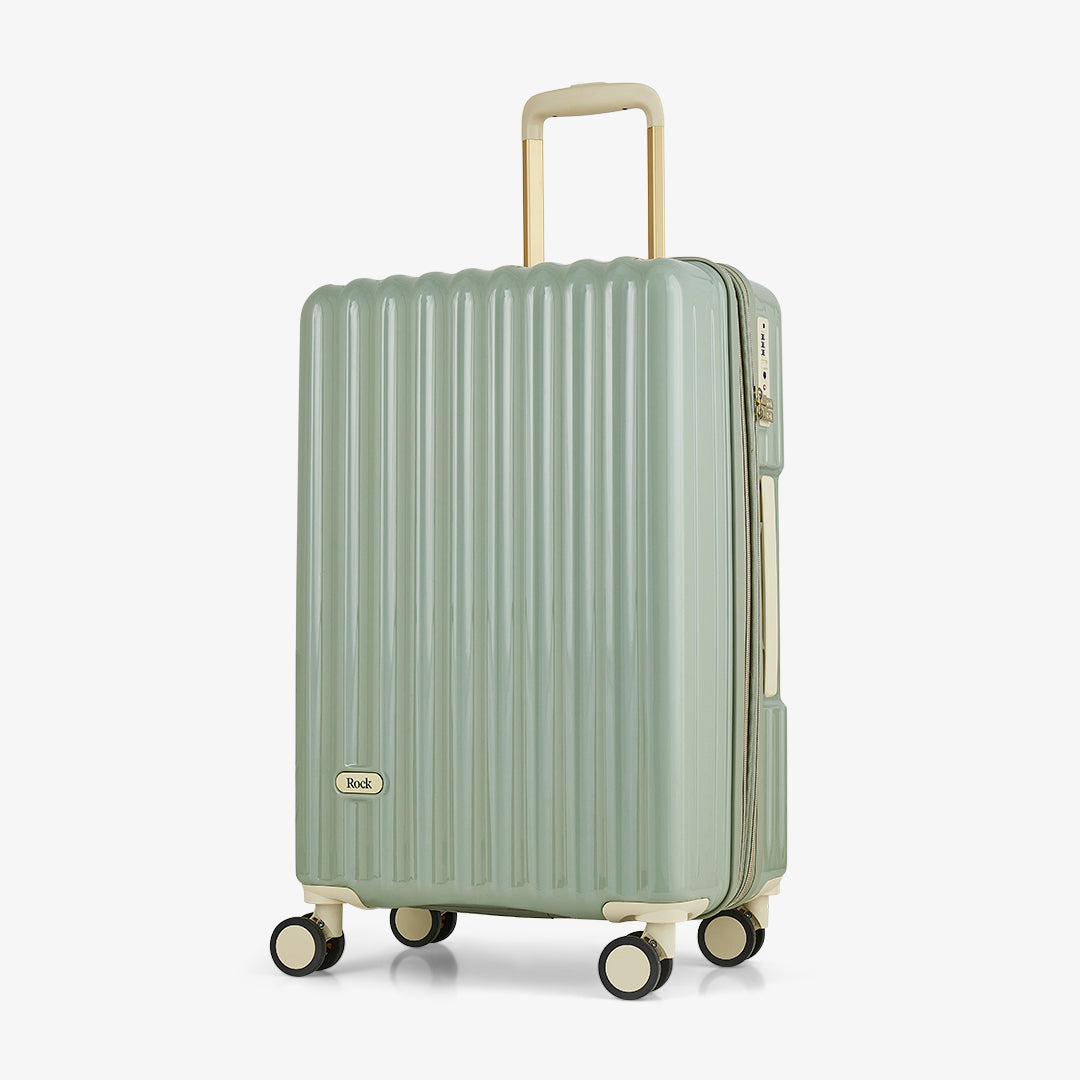
One of the biggest differences between the two types is the construction.
Hard-shell luggage has a rigid outer case that maintains its shape throughout the journey. This can provide additional protection against pressure and impact, making it particularly useful when carrying fragile belongings or travelling by air.
The hard-shell luggage collection includes structured designs made for travellers who prioritise protection, durability, and a more rigid suitcase body.
For frequent flyers, this can be particularly useful when luggage is exposed to the demands of airport handling.
2. Soft-Shell Luggage Provides Greater Flexibility
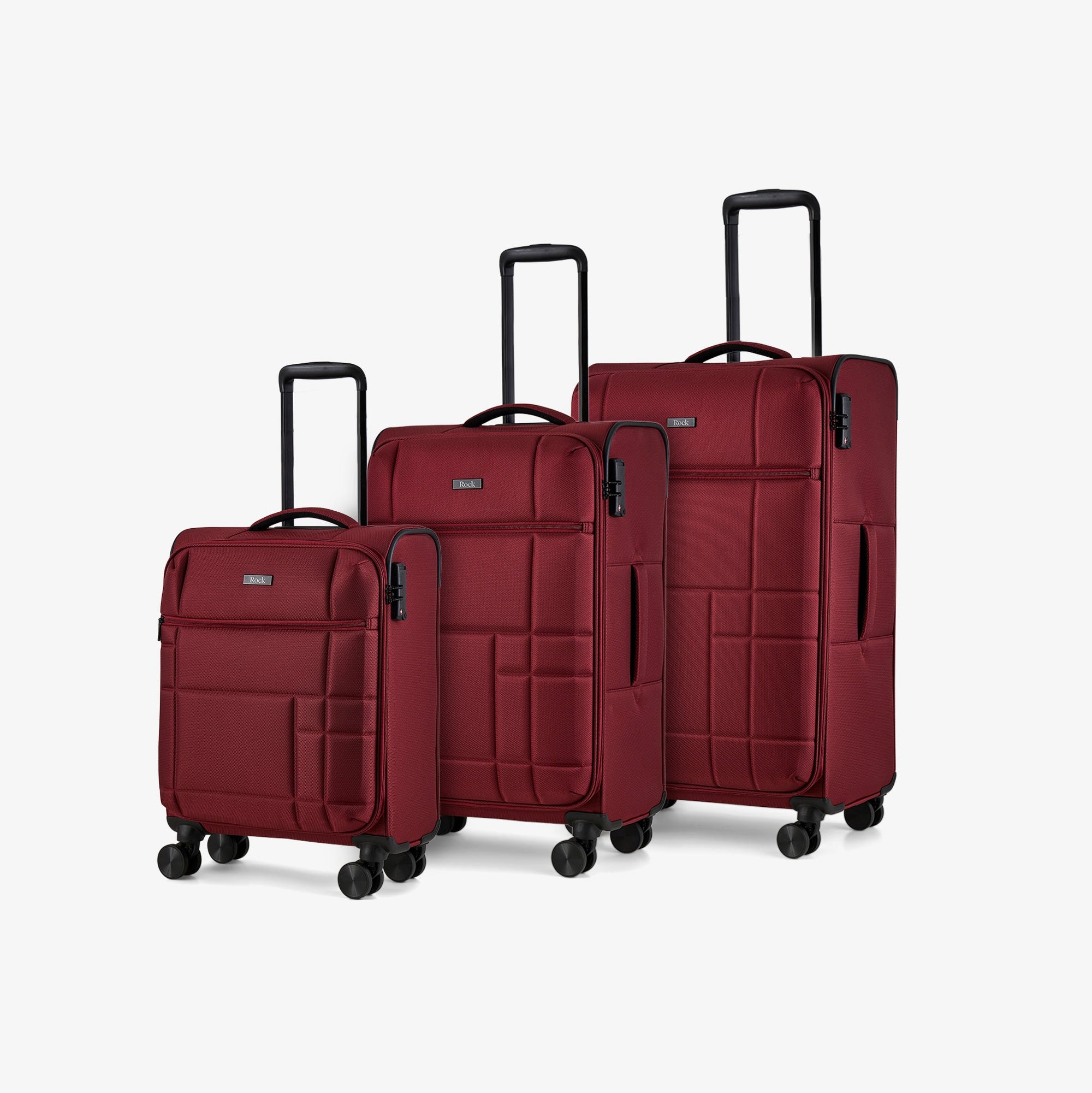
Soft-shell luggage takes a different approach.
Instead of relying on a rigid exterior, soft suitcases use flexible fabric construction. This allows the case to adapt slightly to its contents and can make it easier to fit into tighter storage spaces.
The soft-shell luggage collection features lightweight designs intended for travellers who value flexibility and convenient packing.
This makes soft luggage particularly appealing for weekend trips, business travel, and travellers who frequently adjust what they carry.
3. Hard-Shell Doesn't Always Mean Heavy
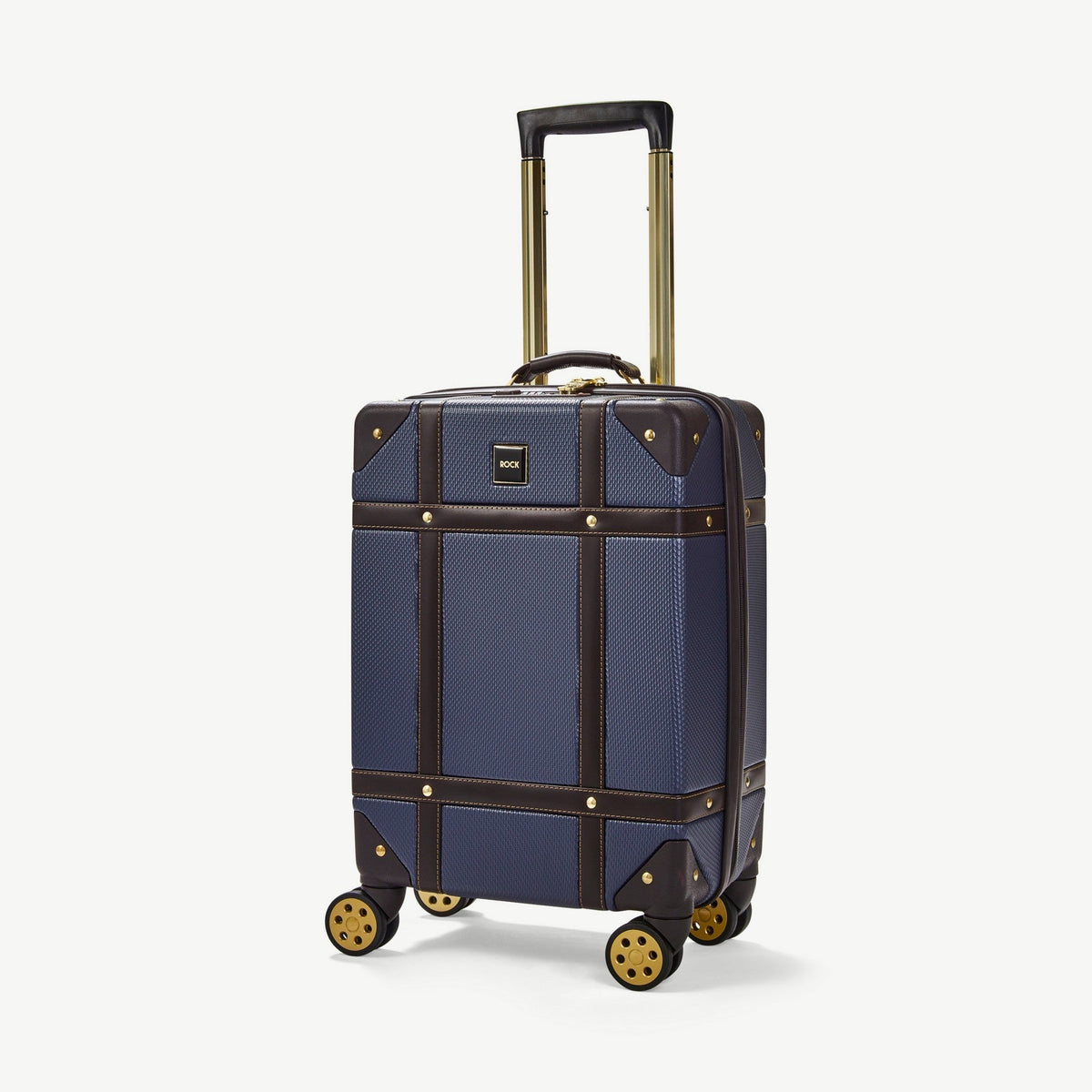
A common misconception is that hard-shell luggage is automatically heavier than soft luggage.
Modern hard-shell suitcases can use materials such as ABS and polycarbonate blends to create a balance between protection and weight. The actual weight depends on the material, size, wheels, handles, locks, and internal construction.
For example, the Vintage Small Suitcase uses an impact-resistant ABS hard shell while maintaining a compact cabin-friendly format.
Rather than choosing based on the shell type alone, compare the actual empty weight of individual suitcases.
4. Soft Luggage Can Be Easier to Pack Flexibly
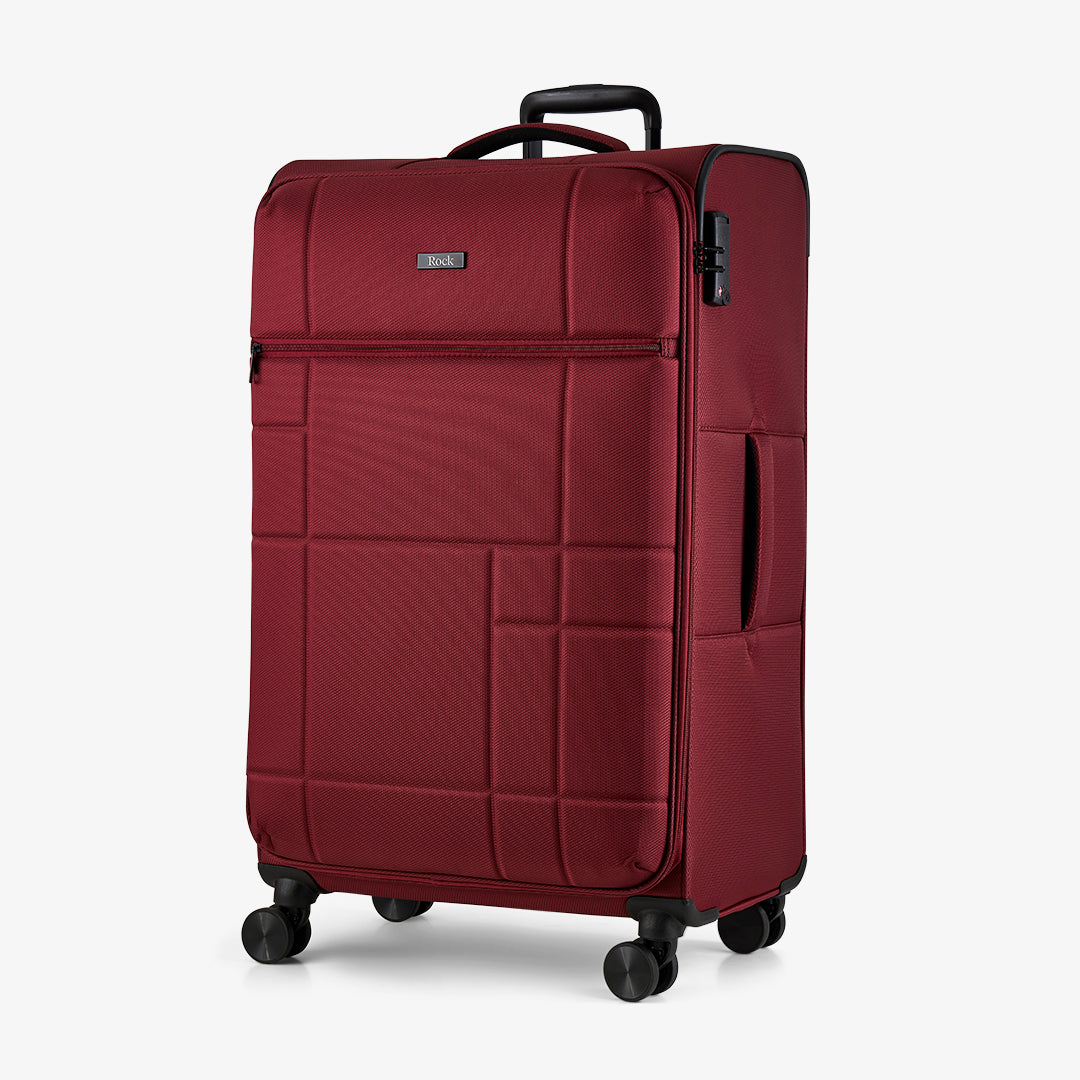
If your packing style changes from one trip to another, soft luggage can have an advantage.
The flexible exterior can accommodate different types of clothing and belongings, while selected designs may offer expandable sections or external pockets.
This can be useful when you need quick access to travel documents, chargers, jackets, or other frequently used items.
The Tokyo Collection is a good example of a soft-shell approach, using a resistant polyester exterior, front pocket, eight smooth-rolling wheels, and a telescopic handle.
5. Hard-Shell Luggage Can Be Easier to Clean
Another practical difference is maintenance.
Hard-shell luggage generally has a smooth exterior that can be wiped down after a journey. This can be convenient after travelling through airports, public transport, or destinations where your suitcase is exposed to dust and spills.
Soft luggage can also be durable and travel-friendly, but fabric exteriors may require more care depending on the material and type of stain.
If easy surface cleaning is one of your priorities, a hard-shell suitcase may be worth considering.
6. Soft Luggage Can Offer Convenient External Access
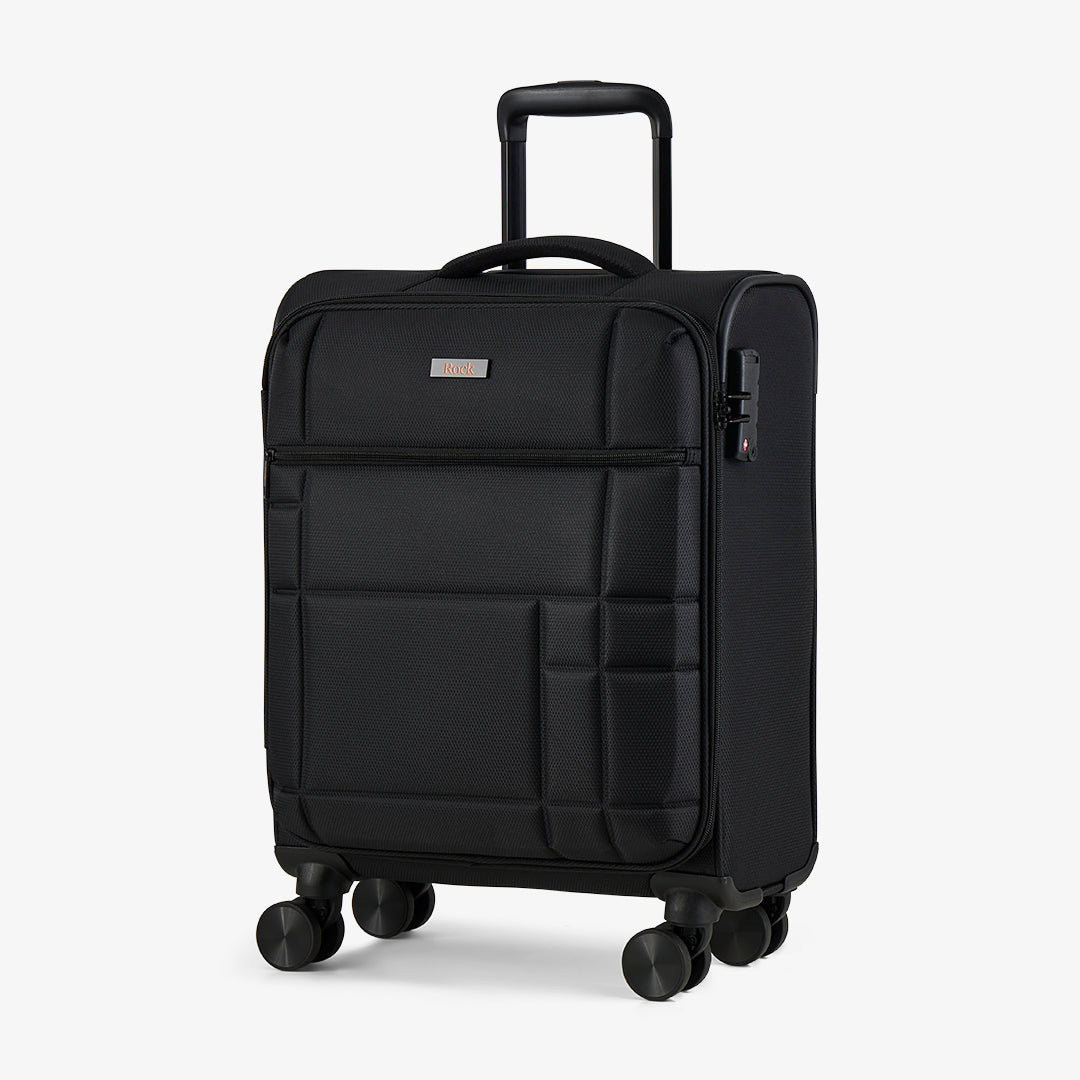
External pockets are one area where soft-shell luggage can have a clear advantage.
A front pocket can give you quick access to items such as:
- Travel documents
- Chargers
- Headphones
- Passports
- Small electronics
- Reading material
This means you don't necessarily have to open the main suitcase every time you need something.
The Tokyo Small Suitcase in Black includes a front pocket alongside its lightweight polyester construction, making it a practical option for travellers who value quick access.
7. Both Types Can Offer Excellent Mobility
The shell material isn't the only factor that determines how easy a suitcase is to move.
Wheels and handles can have an equally significant impact on your travel experience. A suitcase with smooth 360-degree wheels can be easier to manoeuvre through airports, hotels, railway stations, and busy streets.
When comparing hard and soft luggage, look at the entire trolley system rather than focusing only on the exterior.
A well-designed suitcase should combine smooth wheels, a stable telescopic handle, and balanced construction.
8. Security Features Are Available in Both Styles
Security doesn't have to depend on whether your suitcase is hard or soft.
Both styles can include features such as integrated TSA-approved locks and secure zippers. These features are particularly useful for international travellers because authorised airport security personnel can inspect TSA-compatible luggage without damaging the lock.
When comparing different suitcases, look at the specific security features rather than assuming one luggage type is automatically safer than the other.
This is particularly important if you're travelling with electronics, important documents, or other valuable belongings.
9. Your Travel Style Should Influence the Choice
There is no single winner in the hard-shell vs soft-shell debate.
Hard-shell luggage may suit you if you:
- Prioritise structured protection
- Frequently travel by air
- Carry fragile belongings
- Prefer a rigid suitcase
- Want an easy-to-clean exterior
Soft-shell luggage may suit you if you:
- Prefer flexible packing
- Want convenient external pockets
- Frequently take short trips
- Prefer lightweight designs
- Need easier access to smaller belongings
Your destination and travel habits should therefore influence the decision more than trends or appearance.
10. Size and Capacity Matter More Than Shell Type
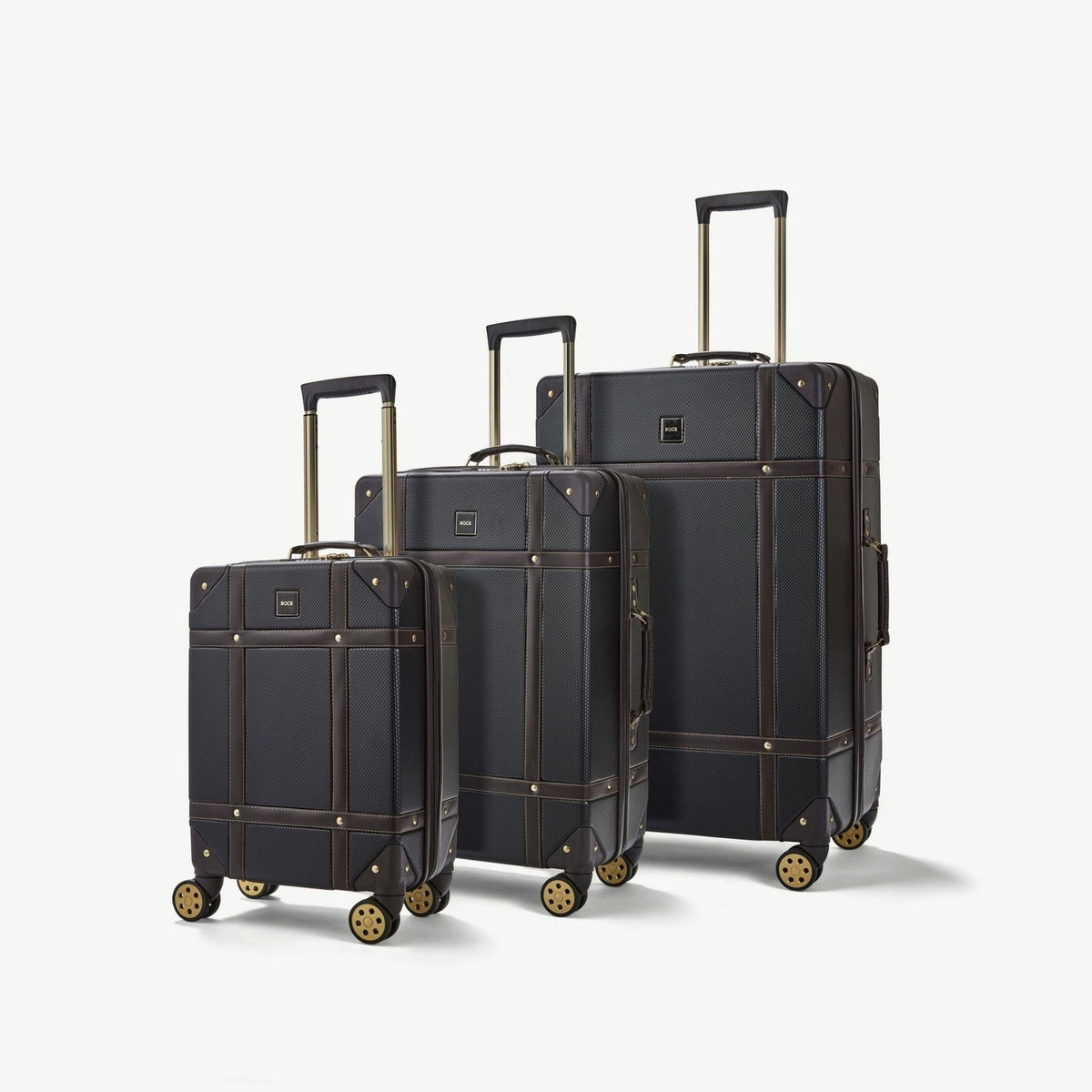
It's easy to become focused on whether you should buy hard or soft luggage and forget another important factor: how much space you actually need.
A cabin suitcase may be ideal for a weekend trip, while a medium or large suitcase may be more appropriate for longer holidays.
If you frequently travel with different amounts of luggage, consider choosing a range that includes multiple sizes. The suitcase collection includes different formats and designs, allowing you to compare luggage based on your typical travel requirements.
Remember that a larger suitcase isn't always better. More capacity can also encourage overpacking and make it harder to stay within airline weight limits.
Hard-Shell vs Soft-Shell: Quick Comparison
|
Feature |
Hard-Shell Luggage |
Soft-Shell Luggage |
|
Exterior |
Rigid |
Flexible |
|
Protection |
Excellent |
Good |
|
Packing flexibility |
Moderate |
High |
|
External pockets |
Usually limited |
Common on selected designs |
|
Cleaning |
Generally easy |
Depends on fabric |
|
Expandability |
Available on selected models |
Common on selected models |
|
Weight |
Varies by material |
Often lightweight |
|
Best suited to |
Protection-focused travellers |
Flexible packers |
|
Appearance |
Structured |
Softer and more adaptable |
|
Mobility |
Depends on wheels and handle |
Depends on wheels and handle |
Which Should You Choose?
If protection and structure are your biggest priorities, hard-shell luggage may be the better choice.
If you value flexibility, external access, and adaptable packing, soft-shell luggage may be more suitable.
However, modern luggage has blurred some of the traditional differences. Hard-shell suitcases can now be lightweight, while soft-shell suitcases can be highly durable and secure.
The best approach is to compare the specific features of the suitcase, rather than assuming that every hard-shell or soft-shell model performs in exactly the same way.
Final Thoughts
The hard-shell vs soft-shell decision ultimately comes down to your individual travel requirements.
Hard-shell luggage offers a rigid exterior and strong protection, while soft-shell luggage provides flexibility and convenient access. Both can be excellent choices when combined with durable materials, smooth wheels, reliable handles, organised interiors, and appropriate security features.
Before buying, think about where you travel, what you pack, how frequently you travel, and how much flexibility or protection you need.
Once you understand these differences, choosing between hard-shell and soft-shell luggage becomes much easier and you can select a suitcase that genuinely fits the way you travel.

