
10 Tips to Choose Between Hard and Soft Luggage
Choosing between hard and soft luggage can be surprisingly difficult. Both styles have their advantages, and the better option depends on how you travel, what you normally pack, and how much protection or flexibility you need.
Hard-shell suitcases are known for their structured construction and protection, while soft-shell luggage is often preferred for flexibility and convenient storage. Before choosing one over the other, it is worth comparing the features that matter most for your type of travel.
Here are 10 practical tips to help you decide between hard and soft luggage.
1. Consider How Much Protection You Need
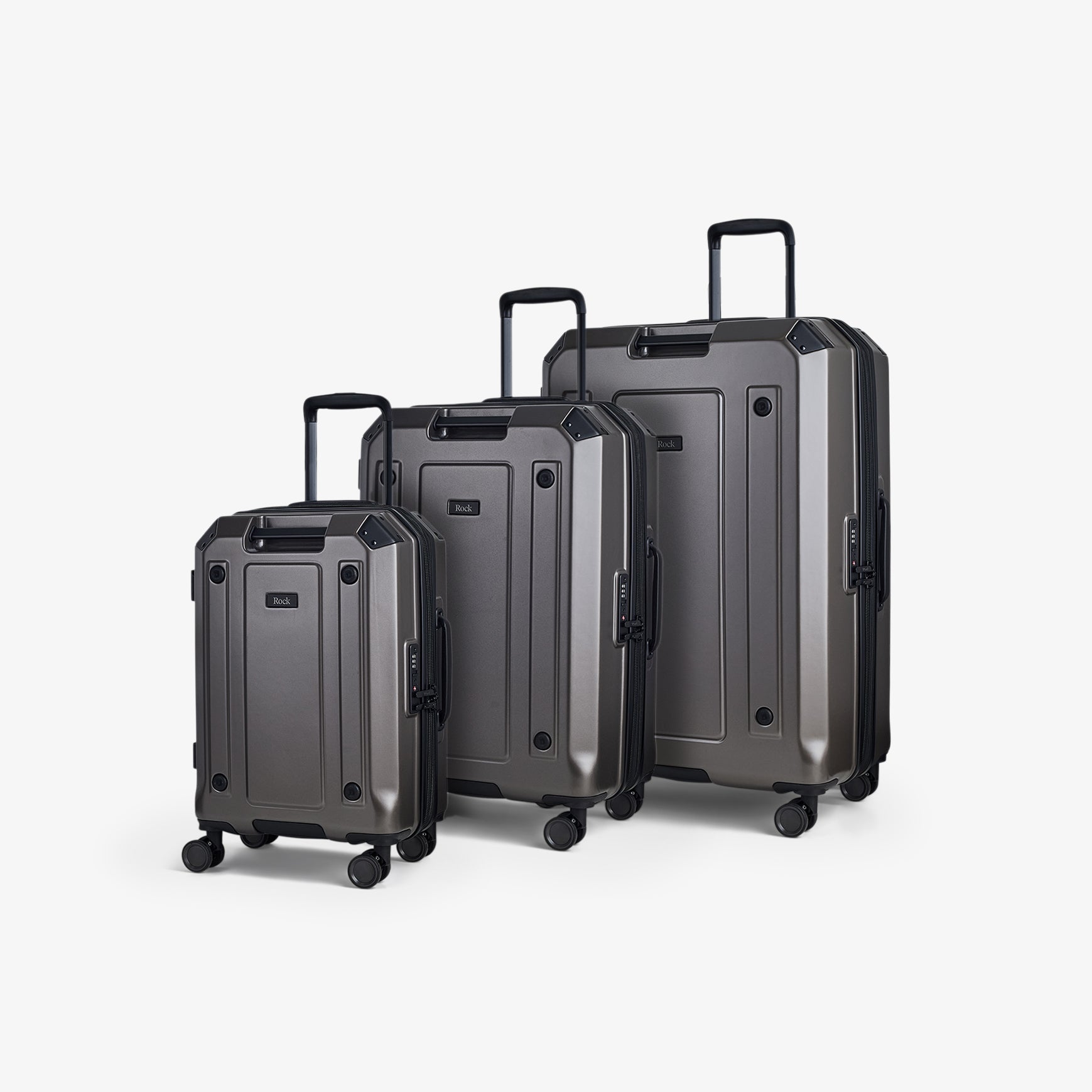
The first question to ask is how much protection your belongings require.
Hard-shell luggage has a rigid exterior that can help protect its contents from impact, pressure, and rough handling. This can be especially useful when travelling with fragile items, electronics, or belongings that need additional structure.
Soft luggage has a more flexible exterior, which can be useful when your packing needs change or when you need to squeeze your suitcase into a tighter space.
If protection is your primary concern, explore the hard-shell luggage collection and compare the construction and features of different hard-case designs.
2. Think About Flexibility When Packing

Soft luggage has an advantage when it comes to flexibility.
The fabric exterior can accommodate slightly irregular packing and may provide additional room in external or expandable compartments. This can be useful if you tend to pack a little differently for every trip.
Hard-shell luggage, on the other hand, maintains its shape. This can make packing more structured and help protect the contents, but it gives you less flexibility when the suitcase is completely full.
If flexible packing is important to you, the soft-shell luggage collection is worth exploring.
3. Consider What You Usually Pack
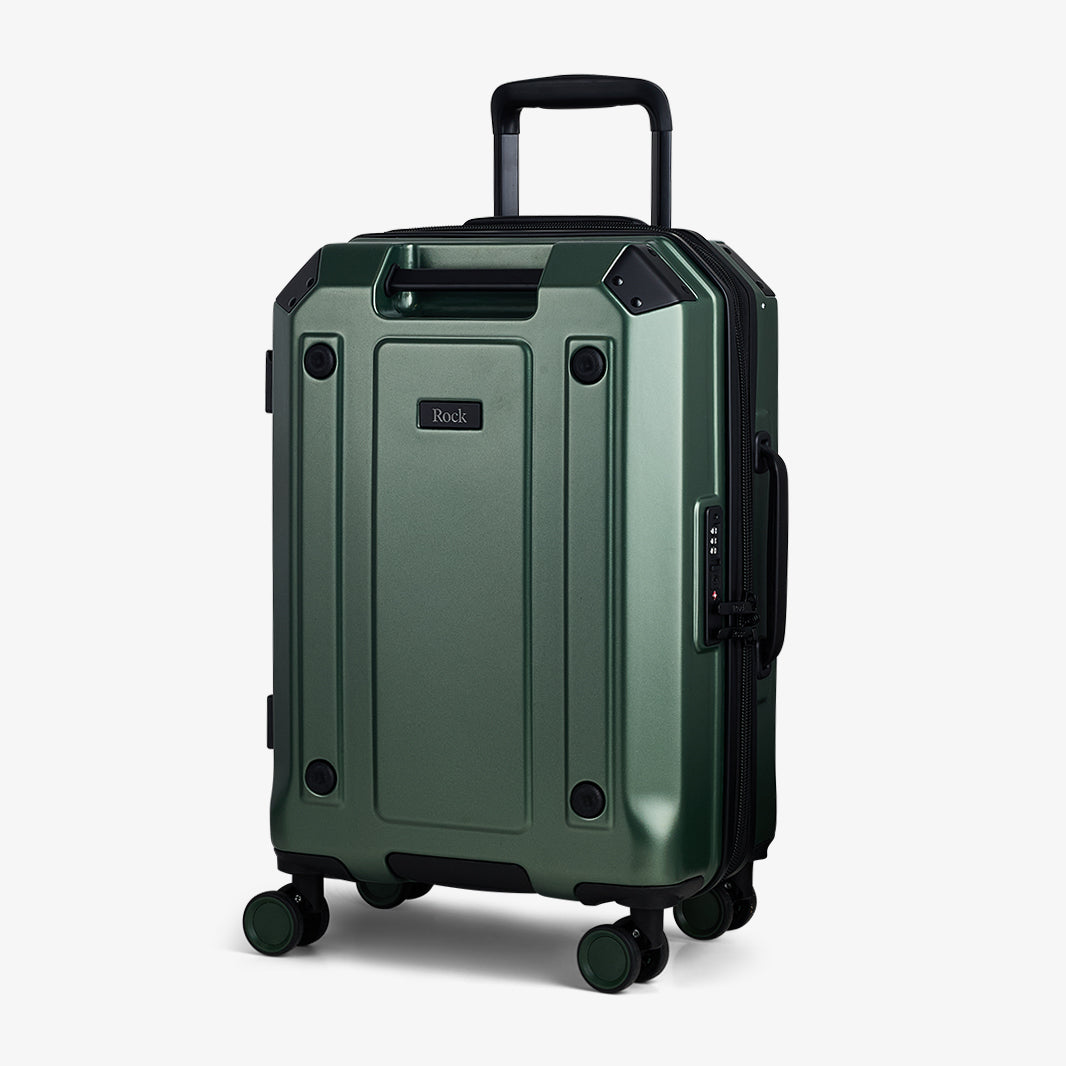
Your choice should also depend on what you carry.
If your suitcase usually contains folded clothing, shoes, toiletries, and everyday travel essentials, either type may work well.
If you regularly carry fragile objects, cameras, electronics, or items that benefit from additional external protection, a hard-shell suitcase may be preferable.
For travellers who want a more structured case, the Alpine Small Suitcase combines a rigid exterior with reinforced corner protection, making it a practical option for travellers who prioritise protection.
4. Think About Your Travel Environment
Where you travel can influence which type of luggage makes more sense.
If you frequently fly, hard-shell luggage can offer useful protection during airport handling. Its rigid exterior can also be easier to wipe clean after a journey.
Soft luggage can be particularly convenient for road trips, train journeys, and travel where you frequently need to access or adjust your belongings.
Think about your typical journey rather than choosing luggage solely because one style is currently more popular.
5. Compare Weight Carefully
Neither hard nor soft luggage is automatically lighter.
Modern hard-shell suitcases can use lightweight materials designed to provide strength without excessive weight. Soft luggage can also be lightweight, depending on the fabric, frame, wheels, handles, and other components.
Instead of assuming that soft luggage will always be lighter, check the actual empty weight of each suitcase you are considering.
This is especially important for frequent flyers because every kilogram can matter when travelling with strict baggage allowances.
6. Look at Storage and Organisation

Storage design can make a major difference to your travel experience.
Hard-shell suitcases often divide the interior into two structured halves, while soft luggage may provide additional flexibility and, depending on the design, useful external pockets.
Think about what you need to access during a journey. If you regularly carry documents, chargers, travel accessories, or other small items, convenient compartments can make packing and unpacking easier.
The Tokyo Small Suitcase, for example, represents the soft-luggage approach with a flexible exterior and practical organisation for everyday travel.
7. Consider Weather and Moisture
If you regularly travel during rainy seasons or through destinations with unpredictable weather, the exterior material deserves attention.
A hard shell creates a rigid barrier around the contents and can be easier to wipe clean after exposure to rain or spills. Soft luggage can still perform well, but the fabric construction may require greater attention to water resistance and care.
This doesn't mean hard luggage is completely waterproof or that soft luggage cannot handle rain. Instead, consider the type of protection you need and check the specifications of the particular suitcase before travelling.
8. Think About Wheels and Manoeuvrability
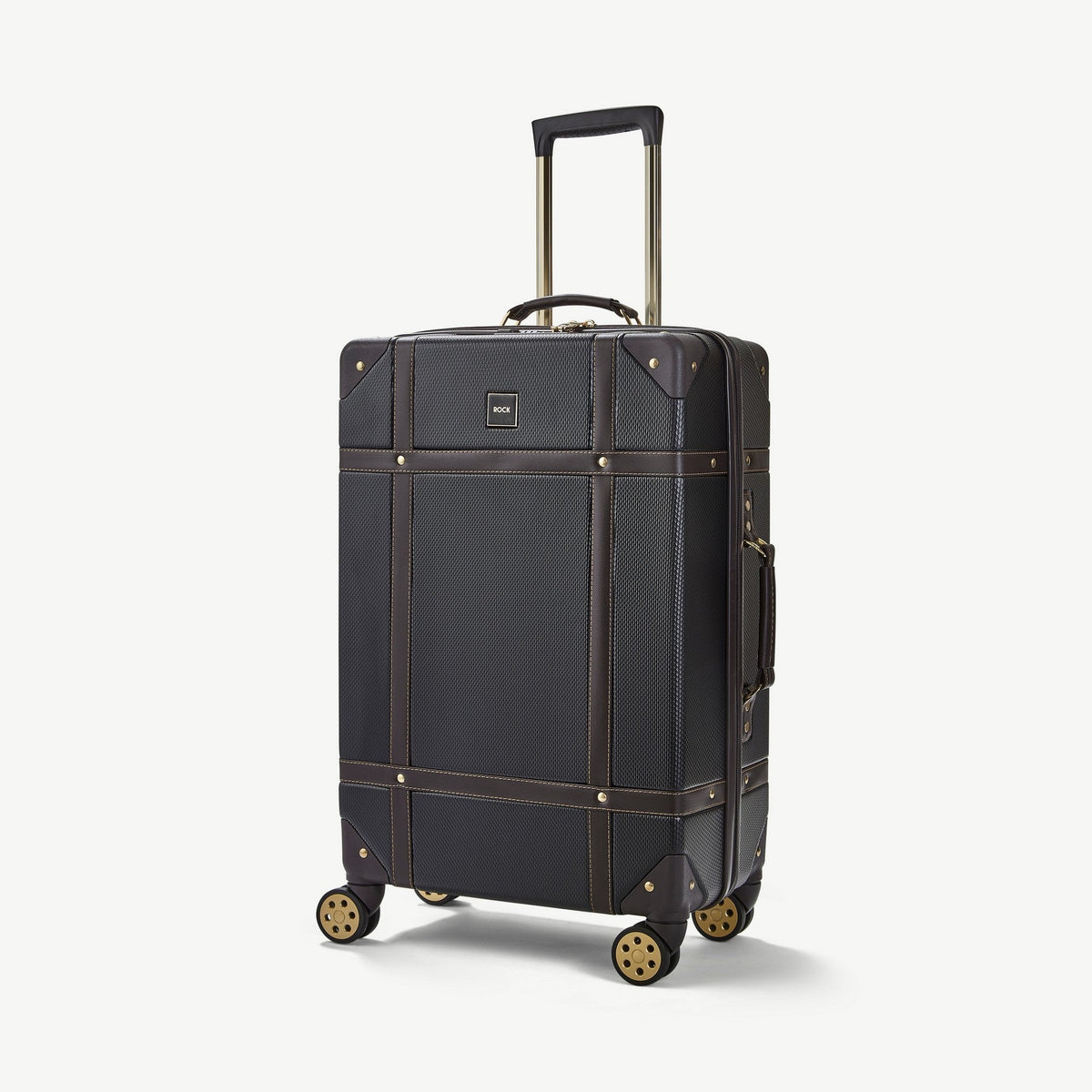
The material of a suitcase isn't the only factor that affects how easy it is to travel with.
Wheels, handles, and overall balance can have just as much impact on manoeuvrability. A suitcase with smooth 360-degree spinner wheels can be easier to move through airports, hotels, railway stations, and busy streets.
When comparing luggage, look beyond the shell and check the entire trolley system.
The trolley luggage collection gives travellers a broader selection of wheeled luggage to consider when comparing mobility, size, and design.
9. Match the Suitcase to Your Trip Length
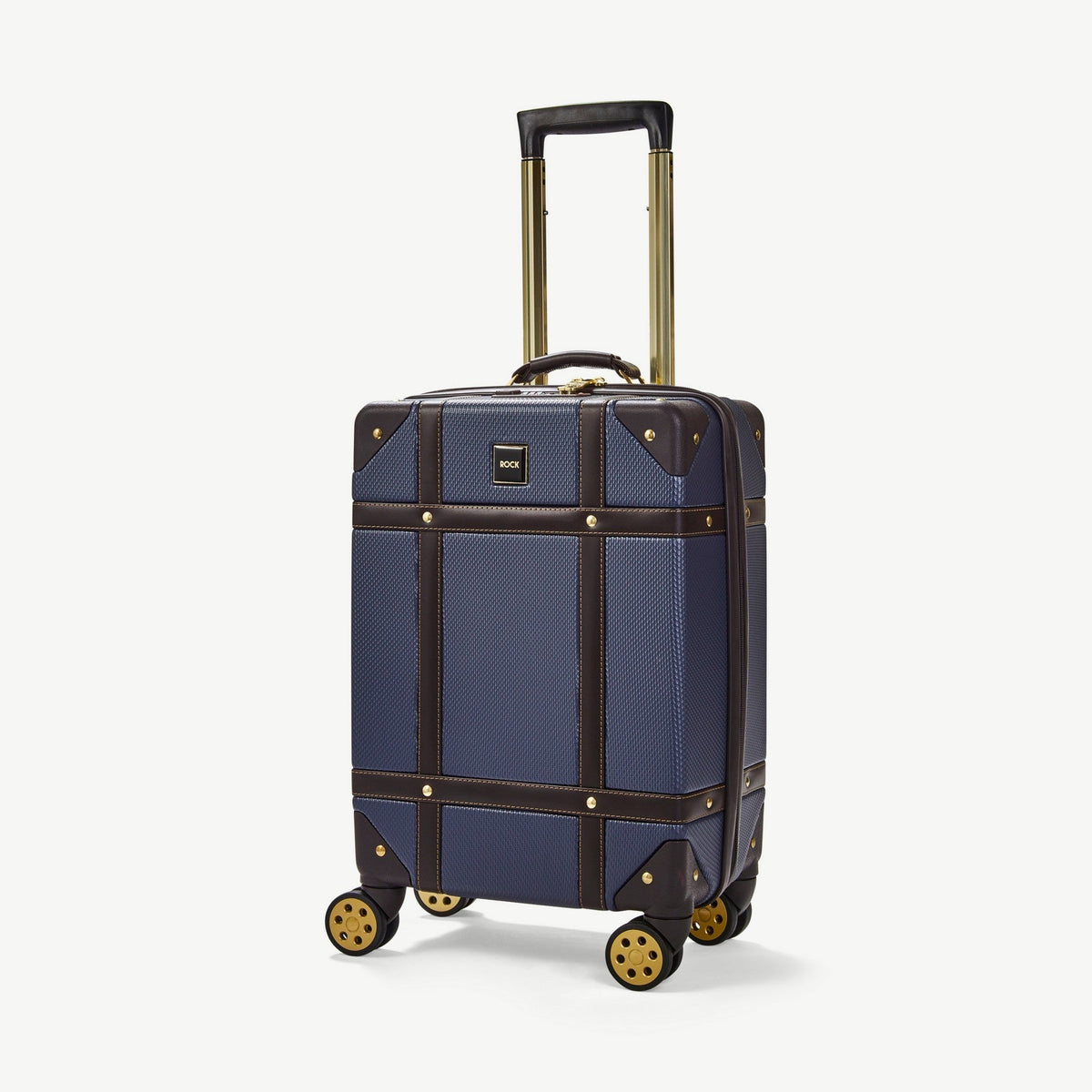
Your typical trip length should also influence your decision.
For short business trips and weekend getaways, a compact cabin suitcase can be convenient. For longer holidays, you may prefer a medium or large case with greater capacity.
Hard and soft luggage are both available in different sizes, so the important thing is to choose a format that matches how much you normally pack.
If you primarily take short trips, the cabin suitcase collection can help you compare compact options designed for cabin travel.
10. Consider Your Personal Travel Style
Finally, think about how you actually like to travel.
If you prefer a structured, protective suitcase with a polished appearance, hard luggage may be the better fit. If you value flexibility, easy access, and a softer construction, soft luggage may suit you better.
There is also no need to choose one type exclusively. Some travellers use a hard-shell cabin suitcase for business trips and a soft case for longer or more flexible journeys.
The best luggage is ultimately the one that works with your packing habits rather than forcing you to change them.
Hard vs Soft Luggage: Which One Should You Choose?
Here's a simple way to think about the decision:
|
Feature |
Hard Luggage |
Soft Luggage |
|
Protection |
Excellent |
Good |
|
Flexibility |
Lower |
Higher |
|
Structured packing |
Excellent |
Good |
|
External accessibility |
Usually limited |
Often better |
|
Weather resistance |
Generally better |
Depends on material |
|
Expandability |
Available on some models |
Common on selected designs |
|
Lightweight options |
Available |
Widely available |
|
Cleaning |
Usually easy |
Depends on fabric |
|
Best for |
Protection-focused travellers |
Flexible packers |
Hard or Soft: The Choice Depends on You
There isn't one universal answer to the hard-versus-soft luggage debate.
Choose hard luggage if you prioritise protection, a structured design, and a rigid exterior. It can be particularly useful for air travel and for carrying belongings that need additional protection.
Choose soft luggage if flexibility, accessible storage, and adaptable packing are more important to you. It can be a practical choice for travellers who frequently adjust what they carry.
Before purchasing, consider your destination, trip duration, packing habits, preferred luggage size, and how often you travel.
Final Thoughts
The decision between hard and soft luggage ultimately comes down to your individual travel needs.
Hard-shell luggage offers structure and protection, while soft-shell luggage provides flexibility and convenience. Both can be excellent choices when they are designed with durable materials, practical interiors, smooth wheels, and reliable handles.
Instead of asking which type is universally better, ask which type is better for the way you travel. Once you understand your priorities, choosing the right suitcase becomes much simpler.

